
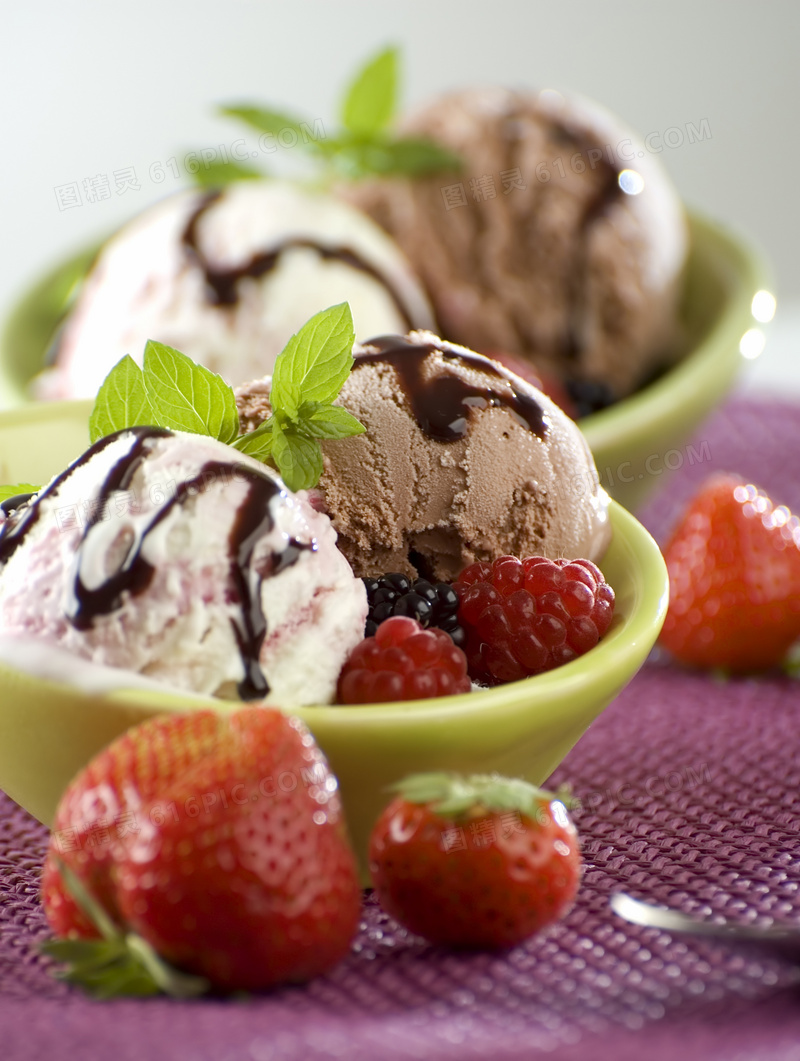
I. The Historical Origin of Ice Cream
The origin of ice cream can be traced back thousands of years. In ancient China, the royal nobility had already begun to enjoy a food similar to ice cream. They mixed the ice stored in winter with fresh fruits, honey, etc., creating the earliest prototype of “refreshing frozen dessert”. This tradition gradually spread, and with the development of trade routes such as the Silk Road, it influenced the surrounding areas.
In the distant West, the ancient Greeks and Romans also explored frozen treats. They would collect snow and ice from high mountains and add fruit juice or honey to make simple frozen desserts. However, the modern – day ice cream truly emerged during the European Renaissance. At that time, Italian chefs began to mix milk, cream, sugar, and spices and make more delicate and delicious ice cream through low – temperature freezing. In the 17th century, with the increasingly frequent cultural exchanges between France and Italy, ice cream was introduced to France and quickly became popular in the French court. Subsequently, ice cream gradually spread from the court to the public and became a favorite dessert of the masses.
II. The Secrets of the Production Process
(I) Traditional Hand – made
Traditional hand – made ice cream is an art. First, prepare fresh milk, cream, egg yolks, sugar, and other raw materials. Mix the milk and cream and heat them over low heat until they simmer slightly. Then, slowly pour the mixture into the beaten egg yolks and sugar, while constantly stirring to prevent the egg yolks from clumping. Next, strain the mixture to remove any possible particles and make it more delicate. After that, put the mixture in the refrigerator and refrigerate it for several hours to let it cool thoroughly. During the freezing process, it is necessary to take it out and stir it at regular intervals to break the formation of ice crystals and make the ice cream texture more creamy. Finally, when the ice cream becomes thick but not completely frozen, add various seasonings and ingredients such as chocolate chips and fruit pieces, stir well, and then freeze it again until it takes shape.
(II) Modern Industrial Production
Modern industrial production of ice cream relies on advanced equipment and technology. After the raw materials are strictly selected and inspected, they are mixed in large mixing tanks according to precise formulas. The mixture is then pasteurized at high temperatures to ensure food safety. Subsequently, a homogenizer is used to refine the fat globules in the mixture, making their distribution more uniform, thereby enhancing the taste and stability of the ice cream. Next, the mixture is transported to a freezer and quickly frozen at extremely low temperatures. At the same time, through the high – speed stirring of a stirrer, air is incorporated into it, making the ice cream expand in volume and have a lighter texture. After freezing and shaping, the ice cream is transported to the packaging workshop, packaged according to different specifications and packaging forms, and finally enters the market for sale.
III. A Rich Variety of Flavors
(I) The Charm of Classic Flavors
-
- Vanilla Flavor: Vanilla flavor is a classic in ice cream. It is deeply loved by the public for its rich vanilla aroma and delicate taste. In the production of vanilla ice cream, natural vanilla pods are usually used. The vanilla seeds are scraped out and added to the ice cream mixture, making the ice cream full of pure vanilla flavor. It can be eaten alone or used as the basis for other flavored ice creams, paired with various sauces and toppings to create different delicious combinations.
-
- Chocolate Flavor: Chocolate – flavored ice cream is a blessing for chocolate lovers. High – quality chocolate is selected, melted, and mixed into the ice cream to give it a rich and mellow chocolate taste. Chocolate ice cream can be divided into different flavors such as dark chocolate, milk chocolate, and white chocolate, each with its unique flavor. Dark chocolate ice cream has a slight bitterness, which can better highlight the richness of chocolate; milk chocolate ice cream has a more silky and sweet taste; white chocolate ice cream exudes a soft milk fragrance and the sweetness of chocolate.
-
- Strawberry Flavor: Strawberry – flavored ice cream has become a favorite in summer with its fresh fruit aroma and sweet – and – sour taste. Fresh strawberries are selected, washed, and pureed, and then added to the ice cream mixture, making the ice cream full of natural strawberry flavor. To increase the richness of the taste, strawberry pulp pieces can also be added to the ice cream, allowing every bite to feel the sweet – and – sour taste of strawberries and the delicacy of the ice cream.
(II) The Surprises of Innovative Flavors
-
- Matcha Flavor: Matcha – flavored ice cream has become increasingly popular among consumers in recent years. The unique fresh tea aroma and slight bitterness of matcha perfectly blend with the sweetness of ice cream, creating a unique taste experience. When making matcha – flavored ice cream, high – quality matcha powder is usually selected and mixed with milk, cream, and other raw materials, and then carefully prepared and frozen. Matcha ice cream not only has a rich taste but also contains a variety of nutrients and has certain health benefits.
-
- Salted Caramel Flavor: Salted caramel – flavored ice cream is a wonderful combination of sweet and salty. The sweetness of caramel and the saltiness of sea salt blend with each other, forming a unique and wonderful flavor. In the production process, sugar is first boiled into caramel, and then milk, cream, sea salt, and other raw materials are added. After stirring and freezing, ice cream with a rich salted caramel flavor is made. This flavor of ice cream has a rich taste and distinct layers, and is deeply loved by consumers who pursue unique taste experiences.
-
- Durian Flavor: Durian – flavored ice cream is an ultimate enjoyment for durian lovers. Fresh and ripe durian pulp is selected, pureed, and mixed into the ice cream, making the ice cream full of a strong durian aroma. Durian ice cream has a delicate texture and a sweet and delicious taste. However, due to its unique smell, it is also somewhat controversial, but this does not affect its position in the hearts of durian fans.
IV. Market Status and Development Trends
(I) Market Scale and Competition Pattern
With the improvement of people’s living standards and the change of consumption concepts, the ice cream market is showing a booming development trend. The global ice cream market is constantly expanding, and consumers have higher and higher requirements for the quality, flavor, and brand of ice cream. In terms of market competition, there are both traditional large – scale ice cream brands such as Häagen – Dazs and Wall’s. They occupy a large market share with their brand awareness, rich product lines, and extensive sales channels. There are also some emerging ice cream brands that have gradually emerged in the market through innovative flavors, unique marketing methods, and personalized product positioning. In addition, some cross – border brands have also entered the ice cream field. For example, some coffee shops and dessert shops have launched special ice creams, further intensifying market competition.
(II) Consumption Trends and Innovation Directions
-
- Health – oriented Demands: Nowadays, consumers pay more and more attention to health, and the demand for healthy ice cream is also increasing day by day. Therefore, ice cream products with low sugar, low fat, and no additives are favored by more and more consumers. Some brands have begun to use natural sweeteners, plant – based creams, etc. to replace traditional sugar and animal creams, launching more healthy ice cream products. At the same time, functional ice creams rich in probiotics, vitamins, and other nutrients are gradually becoming new favorites in the market.
-
- Personalized Customization: Consumers’ demand for personalized products is constantly increasing, and the ice cream industry is also moving in the direction of personalized customization. Some brands have launched customized ice cream services that allow consumers to choose their own flavors, toppings, and packaging, meeting consumers’ pursuit of unique experiences. In addition, some exclusive ice cream products for specific groups, such as children, pregnant women, and the elderly, have also begun to appear, further segmenting the market.
-
- Diversified Channels: In addition to traditional sales channels such as supermarkets and convenience stores, the sales channels for ice cream are also becoming increasingly diversified. E – commerce platforms have become an important channel for ice cream sales. Consumers can buy various brands and flavors of ice cream through the Internet. In addition, some ice cream brands have also expanded their sales channels and enhanced their brand influence by opening offline stores and cooperating with restaurants, cafes, etc.
Conclusion
As a popular dessert, ice cream not only has a long history and rich cultural connotations but also continues to innovate and evolve in terms of production technology, flavor types, and market development. Whether it is the inheritance of classic flavors or the exploration of innovative flavors, it meets consumers’ pursuit of deliciousness and unique experiences. With the continuous development of the market and the change of consumers’ demands, the ice cream industry will continue to face new opportunities and challenges, bringing us more sweet and refreshing temptations.