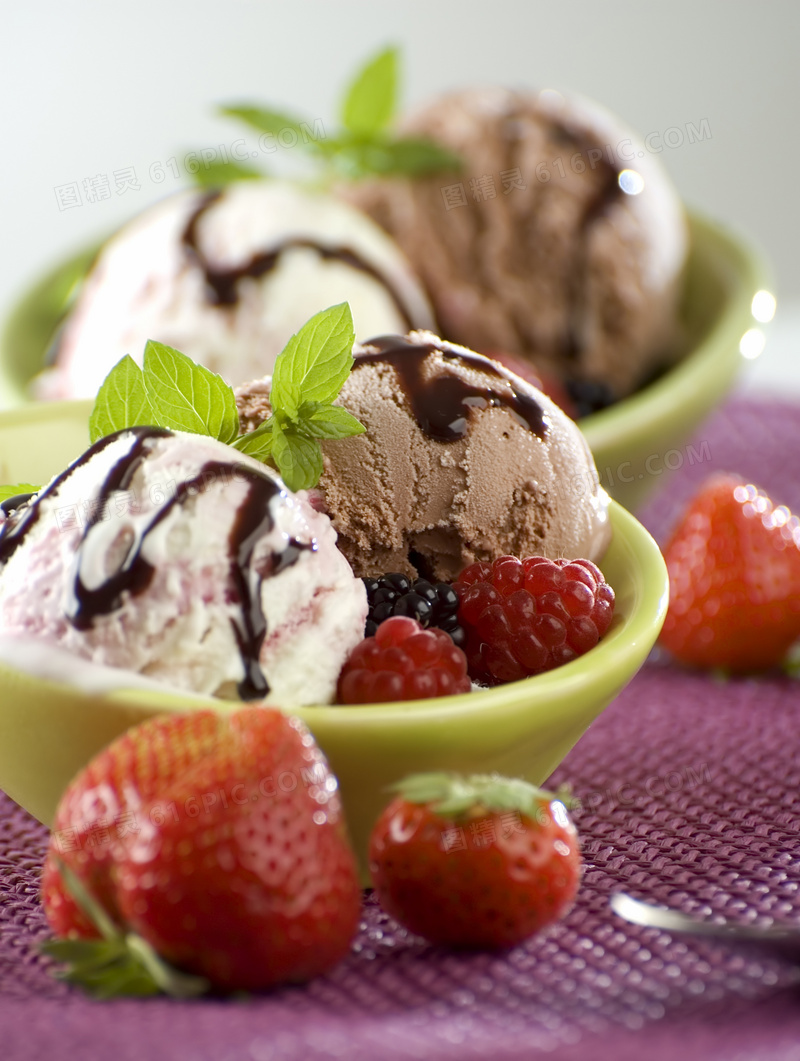
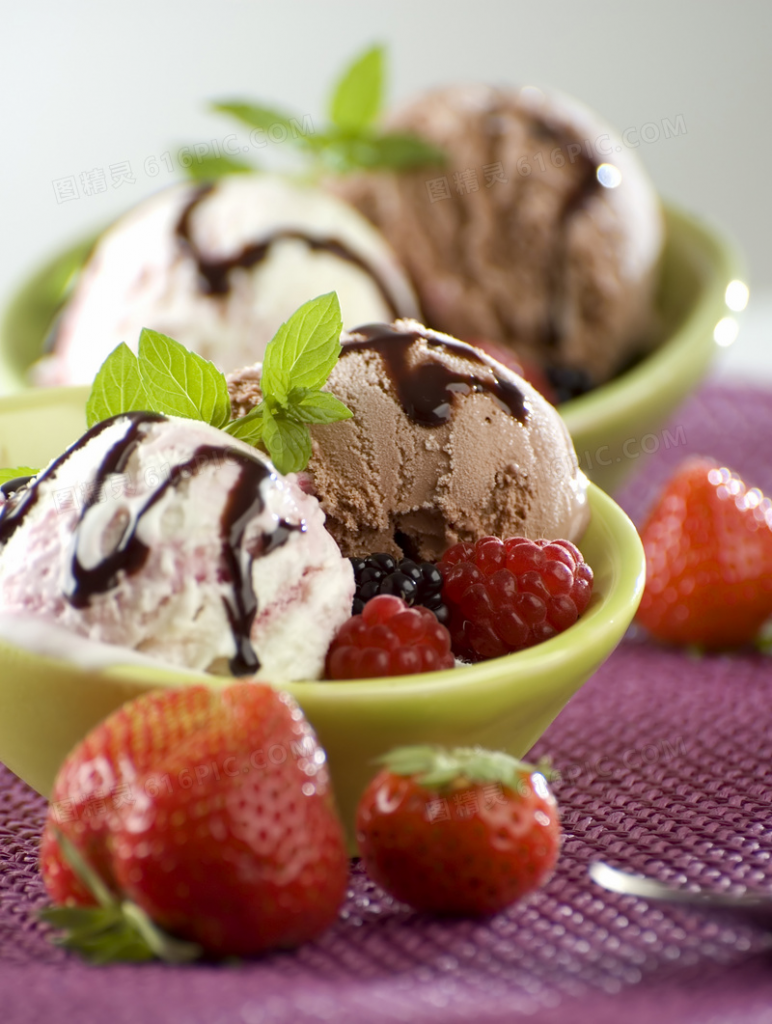
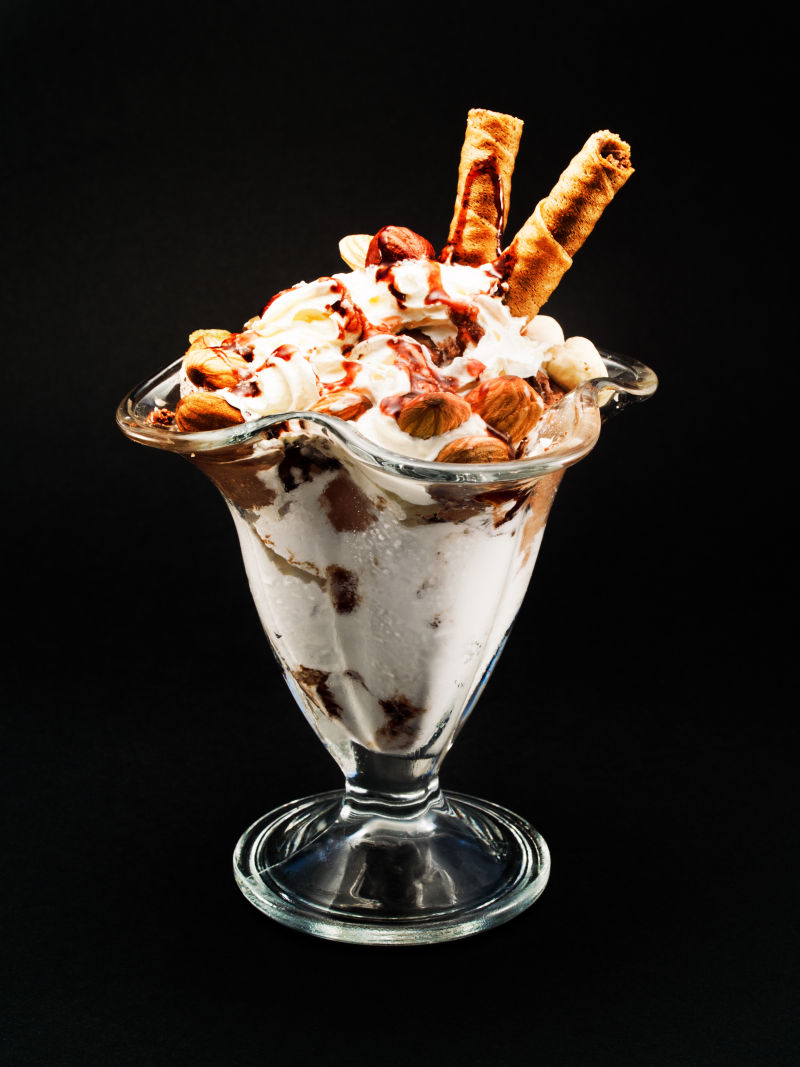
The origin of ice cream can be traced back thousands of years. In ancient China, the royal nobility had already begun to enjoy a food similar to ice cream. They mixed the ice stored in winter with fresh fruits, honey, etc., creating the earliest prototype of “refreshing frozen dessert”. This tradition gradually spread, and with the development of trade routes such as the Silk Road, it influenced the surrounding areas.
​
In the distant West, the ancient Greeks and Romans also explored frozen treats. They would collect snow and ice from high mountains and add fruit juice or honey to make simple frozen desserts. However, the modern – day ice cream truly emerged during the European Renaissance. At that time, Italian chefs began to mix milk, cream, sugar, and spices and make more delicate and delicious ice cream through low – temperature freezing. In the 17th century, with the increasingly frequent cultural exchanges between France and Italy, ice cream was introduced to France and quickly became popular in the French court. Subsequently, ice cream gradually spread from the court to the public and became a favorite dessert of the masses.
II. The Secrets of the Production Process
(I) Traditional Hand - made
Traditional hand - made ice cream is an art. First, prepare fresh milk, cream, egg yolks, sugar, and other raw materials. Mix the milk and cream and heat them over low heat until they simmer slightly. Then, slowly pour the mixture into the beaten egg yolks and sugar, while constantly stirring to prevent the egg yolks from clumping. Next, strain the mixture to remove any possible particles and make it more delicate. After that, put the mixture in the refrigerator and refrigerate it for several hours to let it cool thoroughly. During the freezing process, it is necessary to take it out and stir it at regular intervals to break the formation of ice crystals and make the ice cream texture more creamy. Finally, when the ice cream becomes thick but not completely frozen, add various seasonings and ingredients such as chocolate chips and fruit pieces, stir well, and then freeze it again until it takes shape.
Click Here
(II) Modern Industrial Production
Modern industrial production of ice cream relies on advanced equipment and technology. After the raw materials are strictly selected and inspected, they are mixed in large mixing tanks according to precise formulas. The mixture is then pasteurized at high temperatures to ensure food safety. Subsequently, a homogenizer is used to refine the fat globules in the mixture, making their distribution more uniform, thereby enhancing the taste and stability of the ice cream. Next, the mixture is transported to a freezer and quickly frozen at extremely low temperatures. At the same time, through the high - speed stirring of a stirrer, air is incorporated into it, making the ice cream expand in volume and have a lighter texture. After freezing and shaping, the ice cream is transported to the packaging workshop, packaged according to different specifications and packaging forms, and finally enters the market for sale.
Click Here
III. A Rich Variety of Flavors

Vanilla flavor
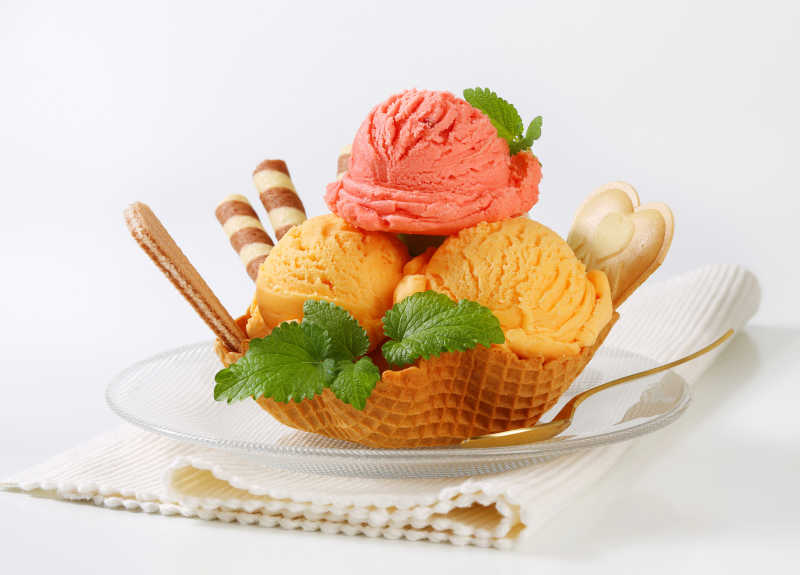
Vanilla flavor is a classic in ice cream. It is deeply loved by the public for its rich vanilla aroma and delicate taste. In the production of vanilla ice cream, natural vanilla pods are usually used. The vanilla seeds are scraped out and added to the ice cream mixture, making the ice cream full of pure vanilla flavor. It can be eaten alone or used as the basis for other flavored ice creams, paired with various sauces and toppings to create different delicious combinations.
Click Here

Chocolate flavor
Chocolate - flavored ice cream is a blessing for chocolate lovers. High - quality chocolate is selected, melted, and mixed into the ice cream to give it a rich and mellow chocolate taste. Chocolate ice cream can be divided into different flavors such as dark chocolate, milk chocolate, and white chocolate, each with its unique flavor. Dark chocolate ice cream has a slight bitterness, which can better highlight the richness of chocolate; milk chocolate ice cream has a more silky and sweet taste; white chocolate ice cream exudes a soft milk fragrance and the sweetness of chocolate.
Click Here

Strawberry flavor
Strawberry - flavored ice cream has become a favorite in summer with its fresh fruit aroma and sweet - and - sour taste. Fresh strawberries are selected, washed, and pureed, and then added to the ice cream mixture, making the ice cream full of natural strawberry flavor. To increase the richness of the taste, strawberry pulp pieces can also be added to the ice cream, allowing every bite to feel the sweet - and - sour taste of strawberries and the delicacy of the ice cream.
Click Here